

How Northern Ireland’s Rubber Bullets Still Hurt

View this email in your browser

It’s been said many times: The story of America is an immigrant’s tale. Omitted, however, is that for every Einstein or Albright, there are downsides to importing the best that the world has to offer.
In Part III of The People vs. Rubber Bullets, out today, Linda Rodriguez McRobbie explores one of the most dangerous exports to ever land in the U.S.: kinetic impact projectiles.
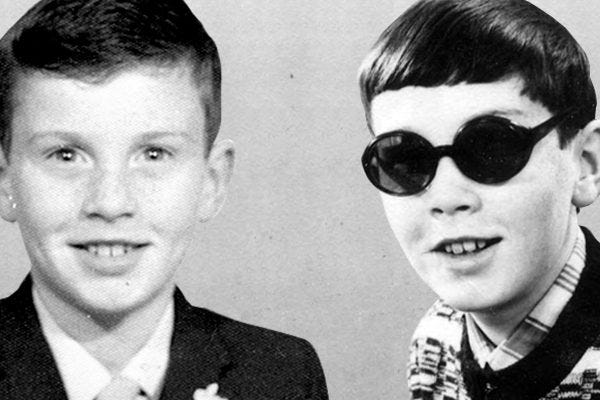
Ten-year-old Richard Moore was blinded by a rubber bullet in 1972. Photos courtesy of Richard Moore
Developed by Britain’s Ministry of Defence to quell uprisings in Northern Ireland, the original rubber bullets killed and disfigured citizens as they protested. Fifty years later, the current class of less-lethal weapons is equally dangerous and has been used just as recklessly.
According to Physicians for Human Rights, U.S. law enforcement shot more than 115 people in the head or neck with kinetic-impact projectiles over a span of two months in 2020. This usage runs counter to police training and the recommended usage by weapons manufacturers.
As Part III notes, when police disregard their own guidelines, the results are predictably tragic. For Richard Moore, pictured above, that has meant a lifetime of blindness.
Read Part III of “The People vs. Rubber Bullets” here:
Plastic and rubber bullets on display in a museum in Belfast. Liam McBurney / Associated Press
On May 4, 1972, 10-year-old Moore was shot in the face with a rubber bullet while running home from school. The British Royal Artillery soldier who blinded him was never held legally responsible — and why would he be? Rubber bullets were legal in Northern Ireland then, just as they continue to be legal in the U.S. now.
In addition to sharing Moore’s story, Part III explores how U.S. policing went from being reluctant to use less-lethal munitions in the 1970s to enthusiastically embracing the weapons five decades later. Only in America, as they say.
Moore has lived his entire life in Northern Ireland, but the lessons from his blinding transcend borders — especially how he ultimately forgave the man who shot him. We at Long Lead urge you to read his and other victims’ stories in “The People vs. Rubber Bullets.” Like all of our productions, it is free to enjoy, with no ads. All we ask is that if you like it, please share it.
More soon…
John Patrick Pullen
Founding Editor, Long Lead
Read “The People Vs. Rubber Bullets”

Copyright (C) 2022 Long Lead, LLC. All rights reserved.
Want to change how you receive these emails?
You can update your preferences or unsubscribe